Founded in 2005 as the first Zen Center in Shunryu Suzuki’s lineage in New York, BZC embraces both Soto Zen tradition as well as the complex realities of practice in a diverse urban environment. BZC has grown rapidly to become one of the most active, community-engaged Zen centers in the northeast.
BZC operates two separate temples: Boundless Mind Temple (BMT), which shares space at Christ Church Cobble Hill in Brooklyn, and Ancestral Heart Temple (AHT), located two hours north of New York City. Ancestral Heart is the first training temple in Suzuki Roshi’s U.S. lineage in the Northeast.

Shunryu Suzuki Roshi, a Japanese Zen Buddhist priest belonging to the Soto tradition, came to San Francisco in 1959 at the age of fifty-four. Already…
Read moreThe Practice Council cares for the general practice health of the community and discerns how to better support training and any challenges to a just and harmonious sangha.
The Council’s responsibilities include:
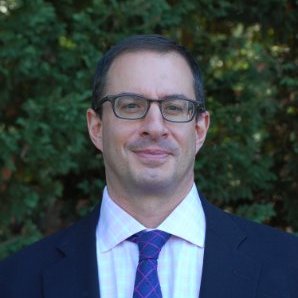
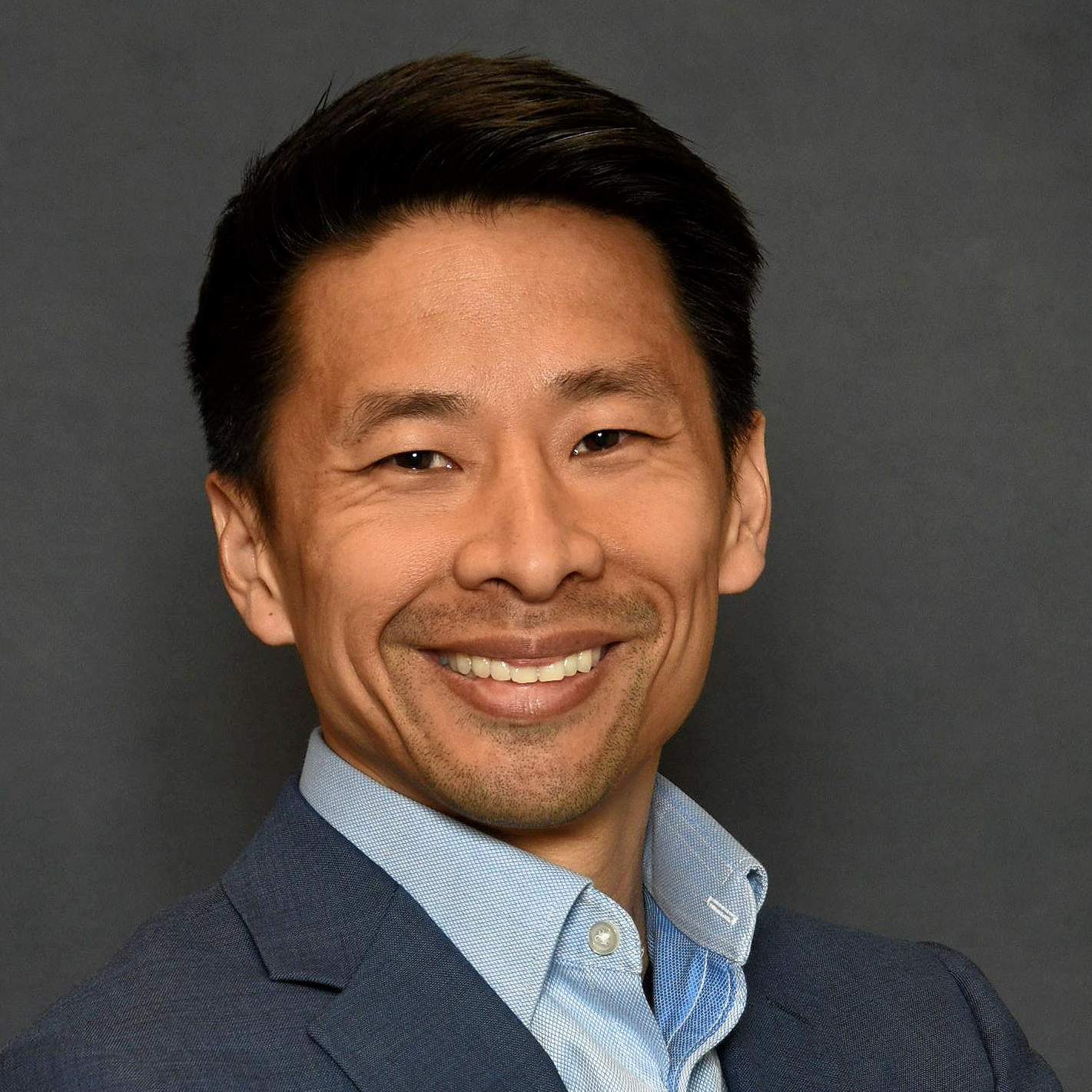
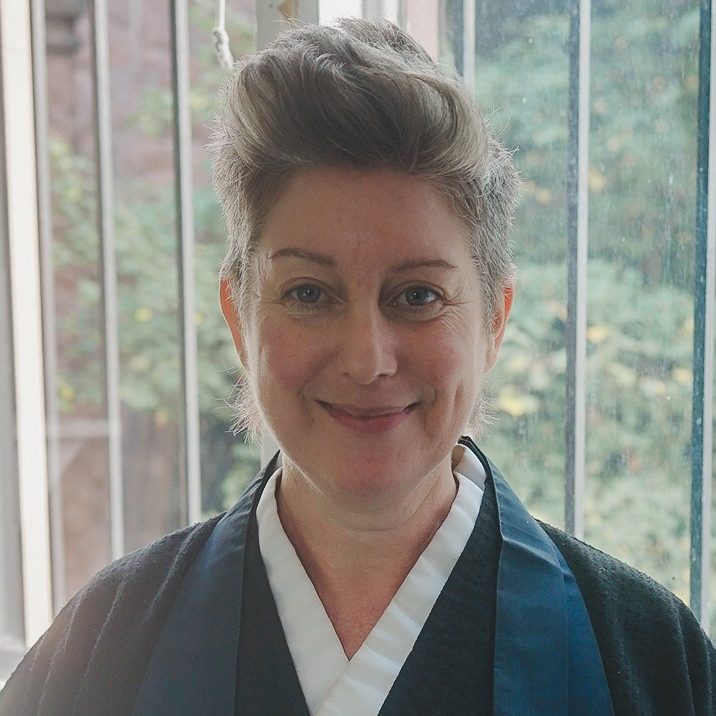
The Practice Council is currently made up of Sarah Dojin Emerson and Charlie Korin Pokorny, who regularly seek counsel from their teachers and elders in the lineage.
The Admin Council is responsible for:
Currently: Sarah Dojin Emerson (BMT Tanto), Charlie Korin Pokorny (President), facilitated by the Administrative Director; teachers and staff join the meeting as needed.

It is a great joy to practice the Buddha’s way in community with others. In the course of our practice together, conflict and disagreement will inevitably arise. The health of our sangha is not measured by the presence or absence of conflict, but rather by our collective willingness to find effective, responsible, and compassionate resolution when it arises. Each situation provides us an opportunity to manifest awakening and the practice of the Buddha way.
The Sixteen Bodhisattva Precepts are integral to upright conduct and sangha harmony in our lineage, and serve as our guide for our ethical conduct. If a sangha member experiences conflict or harm, we offer a range of possibilities for healing, including initiating a Formal Grievance Process. Given that our internal and social lives are shaped by white supremacy, patriarchy, and other forms of social harm, and that expectations of upright conduct increase alongside one’s responsibilities in the sangha, we will hold power relations at the forefront of our ethical considerations.
The Sangha Council, Board of Directors, and Teachers are committed to supporting sangha members coming forth and addressing their concerns in a way that is timely, transparent, just, and rooted in vow.
Please bring any questions to ethics@brooklynzen.org.

When an ethical issue arises, please examine your conditioning and role in the situation, and clarify what would be needed for healing. We ask all parties, including the person bringing the grievance, to use upright, inward-looking discernment during this process. We encourage the use of our Community Agreements and Online Community Agreements in holding conversations.
Once you’ve done this, we offer several options:
Confidentiality and Disclosure at BZC: BZC’s leadership will assume confidentiality in order to create a trusting environment for personal matters to be brought forth. At the same time, BZC practice and administrative leadership—including Teachers, priests, staff, and board members—are expected to disclose knowledge or accusations of serious ethical violations to the Ethics Committee. This includes information shared in dokusan, correspondence, and casual conversation. The Ethics Committee will then notify the appropriate bodies and determine if a Formal Grievance Process or other actions are needed. In addition, both Teachers and Sangha Harmony Allies are encouraged to consult with their peers who hold the same role, sharing information with each other when needed, in order to best support sangha members.